
Elephant In The Room
Just a moment…
Elephant In The Room
Just a moment…
Elephant In The Room
Just a moment…
Eye Movement Desensitization and Reprogramming

In short: EMDR is one of three trauma-focused therapies the 2023 VA/DoD Clinical Practice Guideline recommends most strongly for PTSD. We provide it in Lakewood, across the Denver metro, and by telehealth statewide — in network with Health First Colorado (Medicaid), Colorado Access, Kaiser Permanente, Aetna, Anthem BCBS, and Carelon.
Eye Movement Desensitization and Reprocessing is a structured, eight-phase therapy for traumatic memory. You recall a difficult memory while doing something that occupies both sides of your attention — following a light or the therapist's hand, alternating sounds, or tapping.
The memory doesn't disappear. What changes is its charge: it stops arriving with the same physical intensity, and starts feeling like something that happened rather than something happening now.
You're not required to describe the trauma in detail. For many people, that's the difference between starting therapy and putting it off for years.
The 2023 VA/DoD Clinical Practice Guideline gives EMDR a “Strong for” recommendation — its highest tier — as one of three first-line trauma-focused psychotherapies for PTSD, alongside Cognitive Processing Therapy and Prolonged Exposure (Recommendation 8). The same guideline places more than twenty other therapies in a “neither for nor against” category for insufficient evidence. EMDR is not among them.
EMDR follows a defined protocol — reprocessing doesn't begin on day one.
| Phase | What happens |
|---|---|
| 1. History & treatment planning | Your therapist learns your history and identifies which memories to target, and in what order. |
| 2. Preparation | You build stabilization skills first — a calm place, a container, grounding. This phase is why EMDR is considered safe; it isn't skipped. |
| 3. Assessment | You and your therapist identify the specific image, belief, and body sensation attached to the target memory. |
| 4. Desensitization | Bilateral stimulation begins while you hold the memory in mind. |
| 5. Installation | Strengthening a more accurate belief in place of the old one. |
| 6. Body scan | Checking for residual physical tension attached to the memory. |
| 7. Closure | Every session ends with you settled and oriented, whether or not processing finished. |
| 8. Re-evaluation | The next session begins by checking what held. |
Phases 1 and 2 commonly take several sessions on their own. A therapist who starts reprocessing in session one isn't following the protocol.
Ranges commonly reported for EMDR treatment length, by trauma type:
Phase 2 (preparation) length varies more than anything else — that's a feature of the protocol, not a delay.
If you're using Medicaid:since January 1, 2026, Colorado's regional Medicaid organizations can require prior authorization past 24 sessions in a state fiscal year (July 1-June 30), counted across providers combined. It's a review, not a cap. Full explanation.
In network: Health First Colorado (Medicaid) · Colorado Access · Kaiser Permanente · Aetna · Anthem BCBS · Carelon
Self-pay: $120-$150 per 50-minute session. Full cost breakdown.
On your bill, EMDR appears as standard psychotherapy — usually CPT 90834 (45 min) or 90837 (60 min). EMDR has no billing code of its own. If an insurer says “we don't cover EMDR,” the right question is whether they cover outpatient psychotherapy — usually, they do.
Send us a photo of your insurance card and we'll run a complimentary benefits check before you commit to anything.
Does insurance cover EMDR in Colorado?
Usually, yes. EMDR is billed as standard psychotherapy under codes such as CPT 90834 and 90837 — EMDR has no billing code of its own — so if a plan covers outpatient mental health, it generally covers EMDR. We're in network with Health First Colorado (Medicaid), Colorado Access, Kaiser Permanente, Aetna, Anthem BCBS, and Carelon.
Do I have to talk about what happened in detail?
No. That's one of the main differences between EMDR and talk-based approaches — you hold the memory in mind rather than narrating it in detail.
How is EMDR different from talk therapy?
Talk therapy works largely through understanding and narrative. EMDR targets how a memory is stored, which is why the physical intensity attached to it often changes before the story about it does.
Can EMDR be done over telehealth?
Yes. We deliver EMDR by telehealth statewide across Colorado, in addition to in person in Lakewood and the Denver metro.
What's the first step?
A free 15-minute consultation. No referral needed, and no obligation.
These clinicians list EMDR among the approaches they practise. Each works with Elephant In The Room and sees clients in Colorado, in person or by telehealth.
 Lena CostalasMS, LPCEMDR therapist in 7596 W Jewell Ave 1 202
 Heather BourneLPCC, Master's in Counseling from Naropa UniversityEMDR therapist in 8380 Zuni St
 Miriam Angelica Zenteno-SpencerMA in Clinical Psychology, LPCCEMDR therapist in 134 W Main St
 Eric HughesMarriage and Family Therapist Candidate EMDR therapist in 3190 S Vaughn Way suite 550
 Kyle VandenbrouckeMasters in Mental Health Counseling from Naropa UniversityEMDR therapist in Lakewood
 Thalia Acosta LozanoMA in Counseling, LPCCEMDR therapist in 7596 W Jewell Ave
 Katie BennettLPCC, NCC, M.EdEMDR therapist in Cole Blvd
 Darcie O'ConnorMA, LPC, NCC, EMDREMDR therapist
 Angela MulliganMarriage and Family Therapy CandidateEMDR therapist
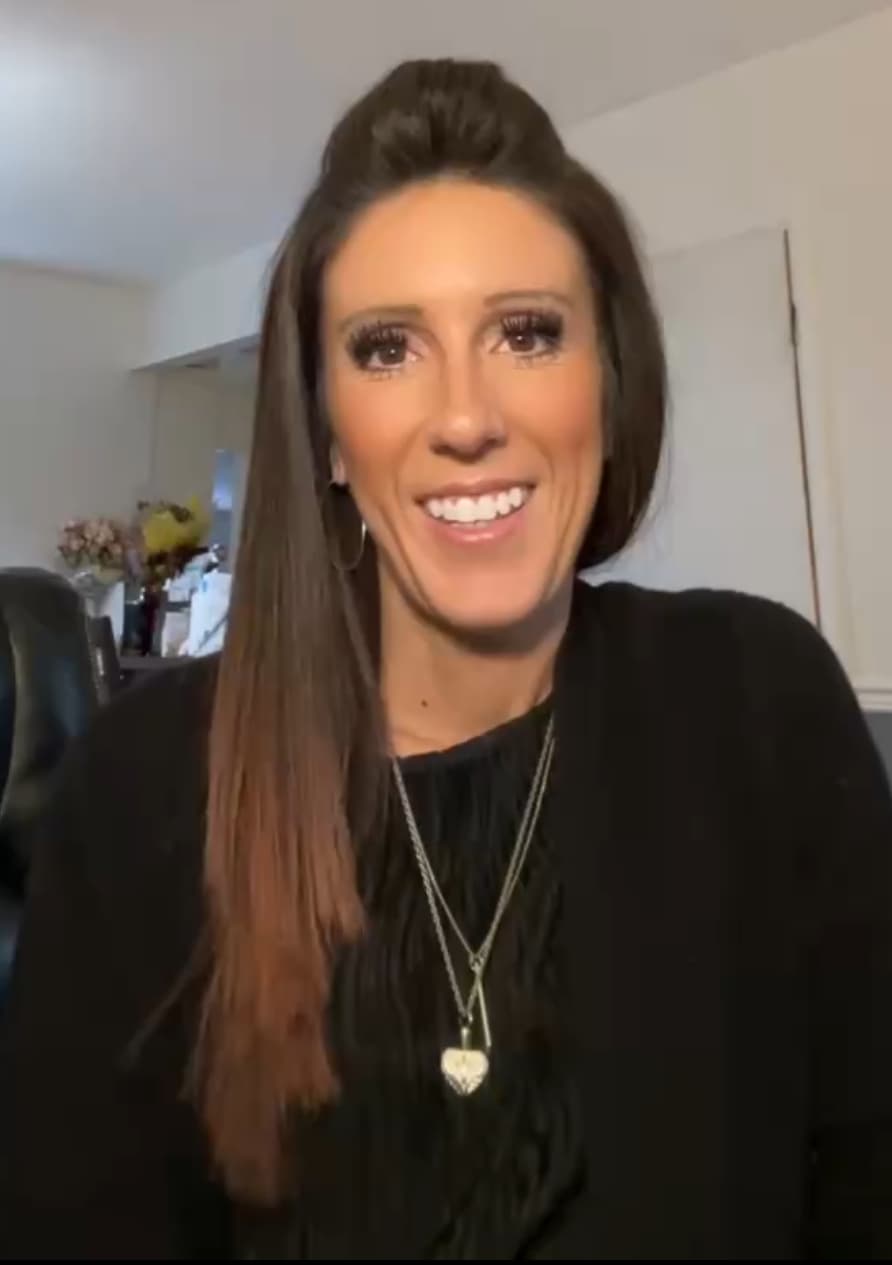 Jessica MackieMA, LPCC, EMDR-trainedEMDR therapist in 11031 Sheridan Blvd
 Julia TurpinMA, LPCEMDR therapist in 908 Main St
 Ben WarnerMSW, SWCEMDR therapist